Home › Screen Installation
Charleston Screens provides high quality screen installation in Charleston, SC, tailored to Lowcountry homes. We install durable screens for porches, patios, lanais, and pool enclosures that resist coastal weather. From new builds to upgrades, our team delivers clean lines and tight fits. Schedule your free on-site consultation today.
Charleston Screens provides professional screen installation throughout Charleston, SC, South Carolina and the surrounding area. Our licensed, insured crew delivers safe, clean, on-time work with a free estimate before anything begins. Call (843) 887-7199 or request your free quote.
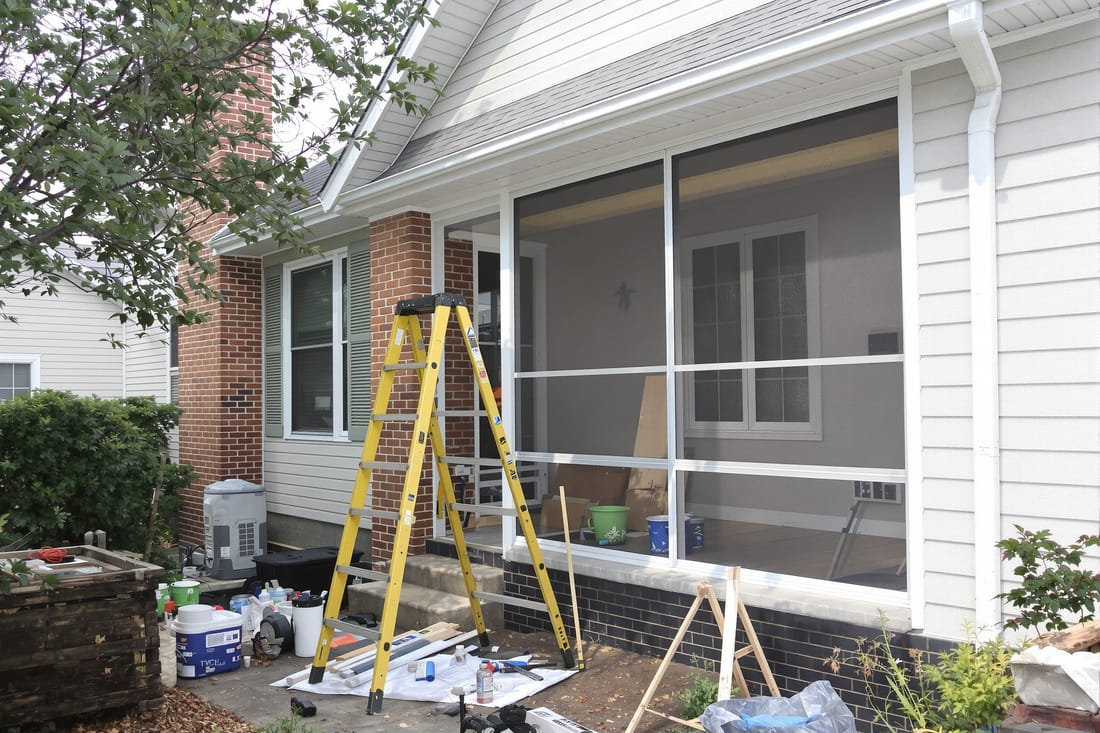
Screen installation in Charleston tailored to coastal living
Charleston Screens provides screen installation that is designed specifically for Lowcountry homes and weather. We focus on keeping no-see-ums, mosquitoes, and palmetto bugs out while protecting your porch and windows from salt air, wind, and heavy rain.
Before any screen installation, we walk your property with you. We look at sun exposure, wind direction from the harbor and marsh, and how close your home is to the water. A porch on James Island that faces the marsh will need different screen materials and fastening methods than a shaded patio in West Ashley. We also note trim details, column spacing, existing railings, and any rot or damage that must be corrected before we install new screens.
We then confirm your priorities: maximum airflow, tighter weave for bug control, pet resistance, or unobstructed views. This conversation guides all material choices and frame design so you do not end up with screens that sag, tear, or block your view of the water.
Our screen installation process, step by step
Charleston Screens follows a consistent process so your screen installation is neat, durable, and code aware for Charleston and surrounding areas.
1. Site preparation and protection
We move furniture and cover nearby surfaces to protect them from dust and debris. If we are screening a porch, we remove old tacks, spline, and screen panels. We inspect framing for soft spots or previous water damage, which is very common in older downtown Charleston porches. Any compromised wood is discussed with you and repaired or replaced so the new screens have a solid base.
2. Measuring and layout
We measure each opening individually instead of assuming they are square. Historic and coastal homes often have slight shifts from settling or humidity. We record measurements to the nearest 1/16 inch, then plan each panel layout to avoid skinny, weak strips of screen that can tear in high winds.
3. Frame and track preparation
For fixed screens we prepare aluminum or PVC framing that matches your trim profile. For large porches we may use a hidden attachment system so you see more view and less frame. For sliding screen panels or screen doors, we square and shim tracks so they glide smoothly even if the porch deck has a slight pitch for drainage.
4. Screen material installation
We cut screen material slightly oversize, then set it in the frame with spline sized specifically for that frame groove. Using the wrong spline size is a common shortcut that causes loose or wavy screens. We tension the screen evenly from the center out to avoid wrinkles and ripples, which show up clearly in the strong Charleston sun.
5. Detailing and sealing
Once screens are installed, we trim excess material cleanly and seal small gaps with appropriate sealants or trim pieces. On coastal-facing sides we often add discreet fasteners at key points to resist uplift during tropical storms, without making removal impossible if you ever need repairs.
6. Final walkthrough
We check all door clearances, latch operation, and panel tension with you present. You can test any moving parts, identify areas where you might want pet grilles or kick plates, and ask care questions before we finish.
Screen material options for Charleston homes
Because of the Lowcountry climate, not every screen fabric holds up the same. Charleston Screens offers clear explanations of your options so you understand what you are paying for.
Standard fiberglass screen
This is the most budget-friendly and common choice for porches and windows. It provides good airflow and insect protection but can stretch or tear more quickly if children or pets push against it. In high UV locations, such as south-facing porches on Daniel Island, it may fade or weaken faster.
No-see-um (tiny insect) screen
This tighter weave mesh is designed to block gnats and sandflies that are common near marshes and tidal creeks. Airflow is slightly reduced, but for homes near Shem Creek, Johns Island marshes, or Folly Beach, this type of screen can make evening porch use much more comfortable. We often recommend it for the lower half of porches while using standard mesh up high for better ventilation.
Pet-resistant and heavy-duty screen
For dogs that lean on screens or cats that claw, we install thicker vinyl-coated polyester meshes. These resist tears and stretching and work especially well on doors and lower panels. They cost more upfront but save repeated repairs. We show you sample swatches so you can feel the difference before choosing.
Solar and privacy screens
On west-facing porches or windows that get harsh afternoon sun, solar screens can cut heat and glare while still allowing you to see out. They slightly darken the view but may reduce cooling costs. In tighter neighborhoods like parts of Mount Pleasant or North Charleston, privacy screen fabrics give you daytime privacy by limiting visibility from outside while preserving your view from inside.
Over the phone we can estimate costs for each material, but during an on-site visit we will show you how each option looks against your actual trim and view so you can select a balance of cost, durability, and appearance.
Porch screening, window screens, and custom screen solutions
Charleston Screens handles more than just basic window screens. Different areas of your home call for different screen installation approaches.
Screened porches and patios
For existing porches, we can convert open rail and column structures into fully screened outdoor rooms. We design around existing columns, fireplaces, and railings so you retain architectural character while gaining bug protection. On elevated Lowcountry homes, we pay close attention to stair openings and under-porch areas where insects often enter.
Window screen installation and replacement
For homes without existing screens, we measure and fabricate new frames that fit your specific window type, including wood double-hung, vinyl replacement, and older aluminum windows. We identify which windows are egress points so new screens do not interfere with emergency exit requirements. For storm-worn coastal homes, we often design screens to work alongside hurricane shutters or impact-rated windows.
Screen doors and access panels
We install hinged and sliding screen doors that align squarely with out-of-level flooring, which is common on older porches. Proper threshold and latch selection reduces slamming and sagging. For under-house storage or access to pool equipment, we can build framed screen panels with removable sections so you can reach valves and filters without cutting into the screen later.
Custom shapes and historic details
Charleston has many arched, transom, and divided-light porch openings. We create custom frames and screen sections that respect those shapes instead of flattening or boxing them in. If your home is in a historic district, we can design screen installations that sit behind existing railings or trim so they are less visible from the street while still providing full function.
What affects screen installation cost in Charleston
Pricing for screen installation varies, and Charleston Screens is transparent about what drives your quote so you can budget accurately.
Size and complexity of openings
Large spans, high ceilings, gable ends, and irregular shapes require more custom framing and labor than simple rectangular openings. A straightforward ground-level patio on Johns Island usually costs less per square foot than a tall, roof-high screened gable on Isle of Palms that needs scaffolding or additional safety measures.
Material selection
Fiberglass mesh and standard aluminum frames keep costs down. Upgrades like no-see-um mesh, pet-resistant fabrics, or heavy-duty frames increase price but typically extend lifespan. Stainless or coated fasteners may be recommended near saltwater to prevent rust, which is a small upfront cost that avoids staining and loosening later.
Existing conditions and repair needs
Rotten sills, deteriorated railings, or warped framing must be fixed before reliable screen installation. In Charleston’s humid climate, we frequently encounter hidden moisture damage, especially where old screens were stapled directly to wood. We show you any issues we find and provide separate line items so you see the difference between repair work and new screen installation.
Access and height
Upper-level porches, tight side yards downtown, or areas over pool decks sometimes require special ladders, staging, or coordination. We factor this into labor time and safety planning but explain it on the proposal so you know why certain areas cost more than others.
Permits and HOA requirements
Most simple screen replacements do not require a city permit. However, if we are enclosing an open deck or altering the exterior appearance in certain neighborhoods or HOAs, design approval may be needed. We can provide drawings and material specs for your HOA packet and adjust the project schedule to align with approval timelines.
Local considerations: coastal weather, codes, and HOAs
Screen installation around Charleston, SC has unique requirements due to wind, moisture, and neighborhood rules. Charleston Screens works within these realities so you avoid surprises.
Wind and storm exposure
Homes near the ocean, harbor, or wide marshes experience stronger winds. For these properties, we often use heavier gauge framing, additional attachment points, and sometimes removable screen panels that can be taken down before a major storm. We will discuss how often you want to remove panels and design accordingly so the process is practical.
Humidity, mold, and corrosion
High humidity encourages mold growth on lower quality screen fabrics and can corrode cheap fasteners. We recommend meshes with mildew resistance and use screws and clips suited for the coastal environment. For shaded porches under live oaks, we may advise lighter colors that show dirt less and are easier to keep looking clean.
HOA and architectural guidelines
In communities like Park West, Daniel Island, and some Mount Pleasant neighborhoods, there may be rules about screen color, door style, or whether front porches can be screened. We review any guidelines you provide and tailor your screen installation to meet those requirements. We can match existing trim colors closely and use low-visibility frames where needed to keep the look consistent.
Building code awareness
While most basic screen work is considered a minor alteration, if your project involves turning an open deck into a more enclosed living area there may be code issues related to rail height, stair guarding, and egress. We alert you if your plans cross into an area that likely needs architectural or permitting input so you do not invest in a screen installation that conflicts with future inspections.
Why Charleston Screens is a smart choice for screen installation
Charleston Screens focuses on screen installation every day, which means we notice small details that affect how your screens look and function over time in our coastal climate.
We are careful about where we place seams so they are less visible from primary viewing areas. We tension screens so they remain stable through temperature swings and humidity cycles, and we consistently use fasteners and spline that match the frame system instead of generic hardware store pieces.
Scheduling is straightforward. We begin with a conversation about your porch or window needs, then schedule a site visit to measure and discuss material options in person. After you approve a written proposal, we set an installation date and keep you updated if weather affects timing, especially for exterior work.
After installation, we explain how to clean and maintain your new screens using mild soap, soft brushes, and low pressure rinsing. We also point out where tree branches or furniture edges could damage screens over time so you can correct those issues before they cause tears.
Whether you are enclosing a new porch, replacing loose and sagging screens on an older downtown home, or upgrading to no-see-um or pet-resistant mesh, Charleston Screens provides screen installation that is built for Charleston’s conditions and the way you actually use your outdoor spaces.