Home › Lanai Screen Enclosures
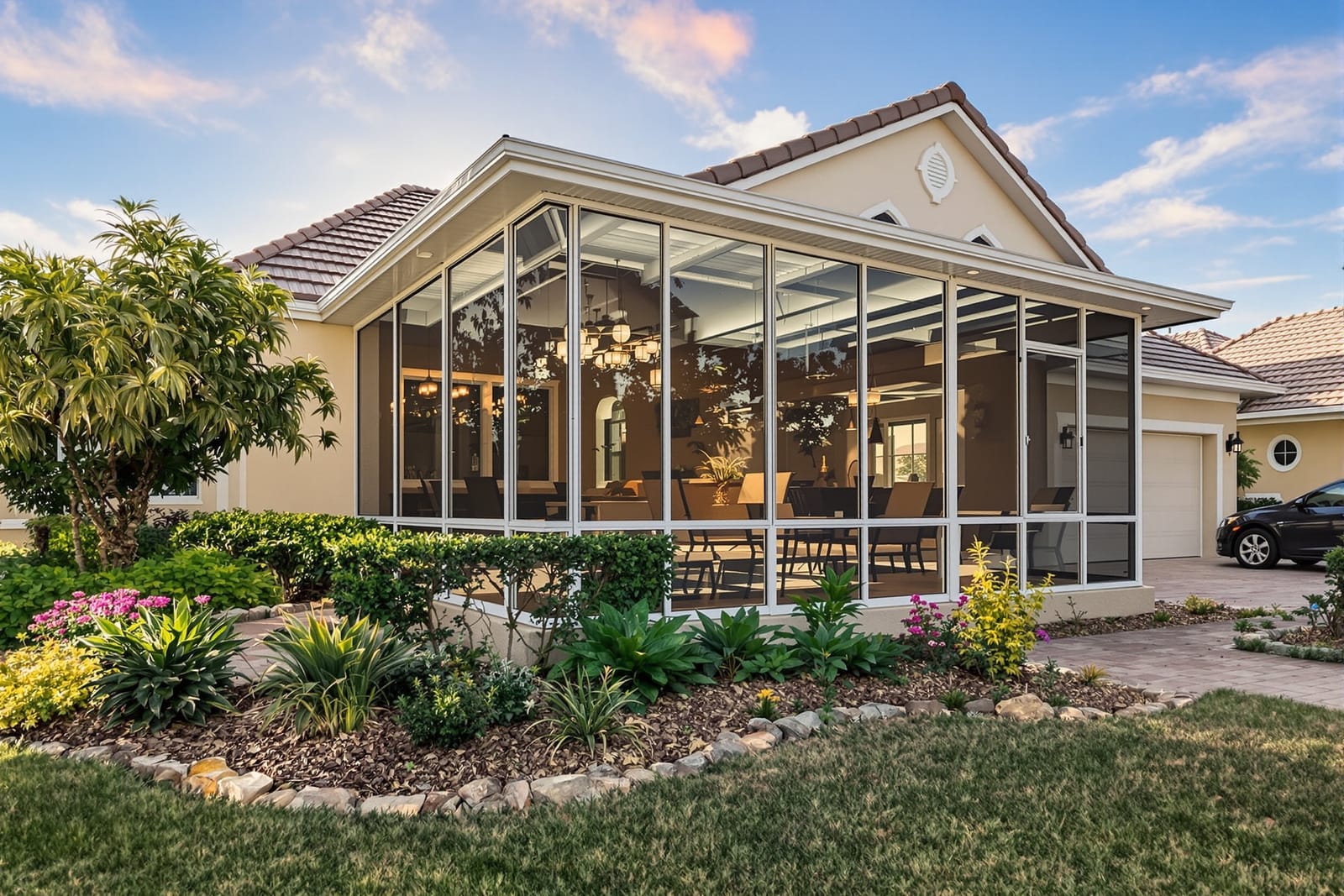
Charleston Screens designs and builds lanai screen enclosures in Charleston, SC that add usable outdoor living space. We create screened lanais that connect seamlessly to your home, offering shade, airflow, and insect protection. From compact enclosures to expansive lanais, we tailor materials and layout to your property. Book a lanai design visit and estimate today.
Charleston Screens provides professional lanai screen enclosure throughout Charleston, SC, South Carolina and the surrounding area. Our licensed, insured crew delivers safe, clean, on-time work with a free estimate before anything begins. Call (843) 887-7199 or request your free quote.
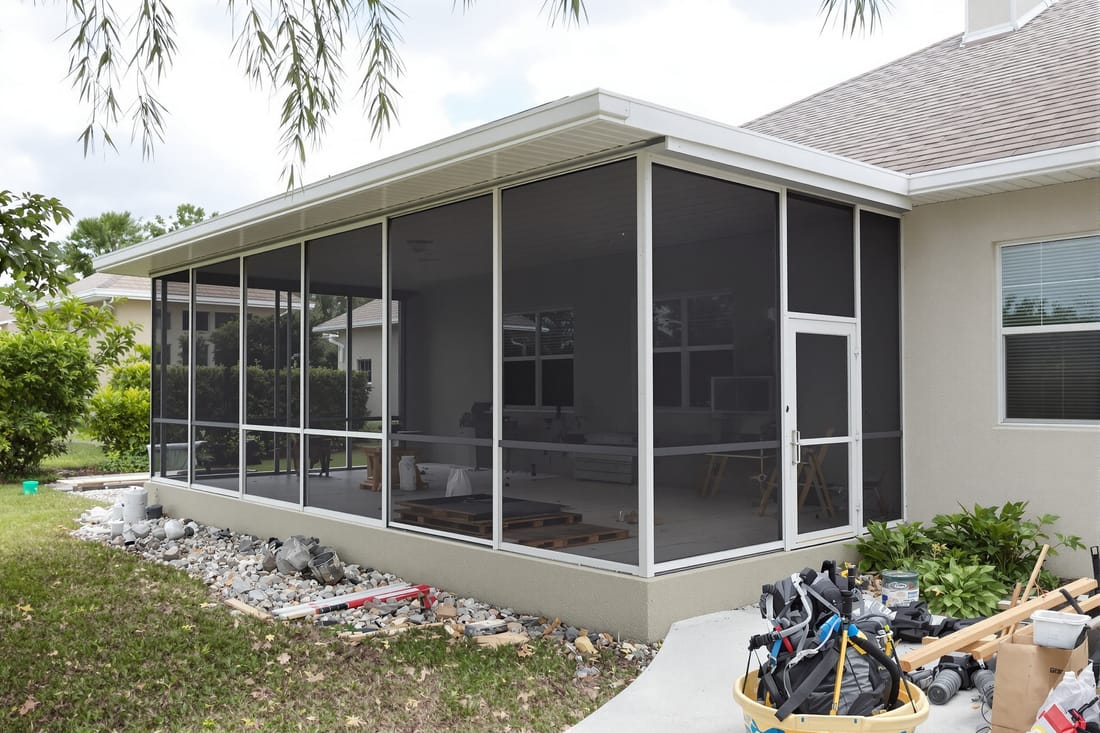
Lanai screen enclosures tailored to Charleston homes
A lanai screen enclosure turns your patio or pool deck into a usable outdoor room that still feels open to the breeze. At Charleston Screens, we build lanai enclosures that are designed specifically for Lowcountry homes, from brick ranches west of the Ashley to raised cottages on James Island and newer construction in Mount Pleasant.
Instead of a one-size-fits-all kit, we measure your existing slab, railings, roofline, and any columns or posts, then design an aluminum frame that ties cleanly into what you already have. For older downtown homes with uneven masonry or settled slabs, we plan for shims and custom base channels so the enclosure sits square and the doors swing correctly.
We focus on what actually matters in Charleston: screens that stand up to coastal wind, salt air, and no-see-ums; framing that will not corrode prematurely; and door hardware that works even after years of humidity. The result is a lanai enclosure that lets you enjoy the breeze off the harbor without spending the whole evening swatting mosquitoes.
How our lanai enclosure process works, step by step
When you call Charleston Screens about a lanai screen enclosure, we start with a site visit rather than a ballpark phone quote. A technician measures your slab or deck, checks how your roof overhang is framed, and looks for drainage issues like standing water or downspouts that dump onto the patio.
Next, we talk through how you want to use the space. For example, if you plan to grill inside the lanai, we leave open or high screened sections for ventilation. If you want a pet friendly space, we may suggest a stronger lower panel with pet resistant mesh. These choices affect framing layout, screen type, and door placement.
We then create a simple drawing that shows door swings, panel locations, and height. Most Charleston lanais tie into existing roof structures, so we verify how we will fasten the new aluminum beam to wood fascia or existing beams, and whether any fascia repair is needed before we start. If your home is in an HOA neighborhood like Park West or Carolina Bay, we can provide color samples and drawings you can submit for approval.
On installation day, we prep the slab or deck, mark anchor locations, and set the base channels with concrete anchors or stainless fasteners for composite decks. We plumb and fasten the vertical aluminum posts, install the top beam, then frame in door openings. After the frame is solid, we roll in the screen mesh with spline, one panel at a time, stretching it evenly so you get a tight, wrinkle free finish. Finally, we install doors, sweeps, thresholds, and bug seals around the perimeter so insects cannot sneak in around the edges.
Screen, frame, and design options for Charleston weather
A good lanai screen enclosure in Charleston has to handle high humidity, coastal winds, and fine insects like no-see-ums. That is why we offer several mesh options: standard fiberglass insect screen for basic use, tighter weave no-see-um screen that keeps out tiny gnats from the marsh, and stronger polyester or PVC coated mesh for high traffic or homes with pets that push or paw at the screen.
For the frame, we typically use extruded aluminum with a durable powder coat finish. White and bronze are the most common in the Charleston area, but we can match many HOA approved colors. Aluminum is light, strong, and rust resistant, which is important in seaside neighborhoods like Folly Beach and Sullivan’s Island where exposed steel would corrode quickly.
We also customize height and layout. Some homeowners in newer subdivisions choose a simple wall height lanai that lines up with the first floor ceiling. Others with higher rear rooflines prefer a taller enclosure that follows the roof pitch so the space feels more open. Around pools, we plan screen roof slopes that shed water correctly toward existing gutters or deck drains.
For privacy, we can mix in sections of privacy screen or screen that cuts glare, especially useful in backyards that face other homes closely, like in many Mount Pleasant communities. Corner posts, chair rail heights, and kick panels are all chosen based on how you plan to furnish and walk through the space, so you are not staring at a post in the middle of your favorite view.
Cost factors, permits, and what to expect in Charleston
Lanai screen enclosure pricing in Charleston depends on more than just square footage. The main cost drivers are the size and height of the enclosure, the type of screen mesh, the complexity of tying into your existing structure, and any needed prep work or repairs.
An enclosure that fits under an existing roof with a straightforward rectangular footprint will generally cost less than one that has to wrap around columns, bay windows, or irregular slab edges. Using upgraded no-see-um or pet resistant screen adds some material cost but is often worth it in marshy areas of West Ashley, Johns Island, or Daniel Island where tiny insects are a real problem.
We help you avoid surprises by identifying conditions up front. For example, if your concrete patio has large cracks or a severe slope, we may recommend repairs or modifications so the enclosure sits properly and doors seal. If fascia boards where we need to attach are rotted, we will flag that and coordinate repairs before we install the aluminum beam.
In many parts of Charleston County and within city limits, lanai screen enclosures that change the exterior structure or footprint can require permits, especially near pools or in flood zones. Charleston Screens can help you understand whether your project requires a permit, what your HOA expects, and how setbacks or easements may limit enclosure size. We keep the schedule realistic so you know when material is ordered, when installation will start, and how long you will have your outdoor space out of commission.
Common lanai issues we solve and how to keep yours in great shape
Charleston’s climate is beautiful but tough on outdoor structures. We regularly see lanai enclosures with sagging screens, corroded hardware, and loose doors that no longer latch. During our installations and any service calls, we focus on preventing these problems by using stainless or coated fasteners, heavy duty door closers, and frames sized correctly for local wind loads.
If you already have an older lanai enclosure, we can often reuse the main frame and rescreen the panels instead of starting from scratch, as long as the structure is still sound. For homes that were built before current codes, we check attachment points carefully so you are not depending on undersized screws driven into soft wood to hold large wall sections.
Maintenance for a lanai screen enclosure is simple but important. We recommend rinsing the frame and screen with a garden hose a few times a year to wash off salt and pollen. Avoid pressure washing close to the screen, since high pressure can stretch or tear mesh and force water into joints. Keep shrubs trimmed at least a few inches away from the frame to prevent abrasion and mildew.
Charleston Screens is happy to show you how to spot early issues, like small screen tears near door corners, screws backing out along the base, or door sweeps that have worn down and started to gap. Catching those details early keeps insects outside, protects your investment, and helps your lanai enclosure stay solid and attractive for many years in the Charleston coastal environment.