Home › Patio and Lanai Screen Repair
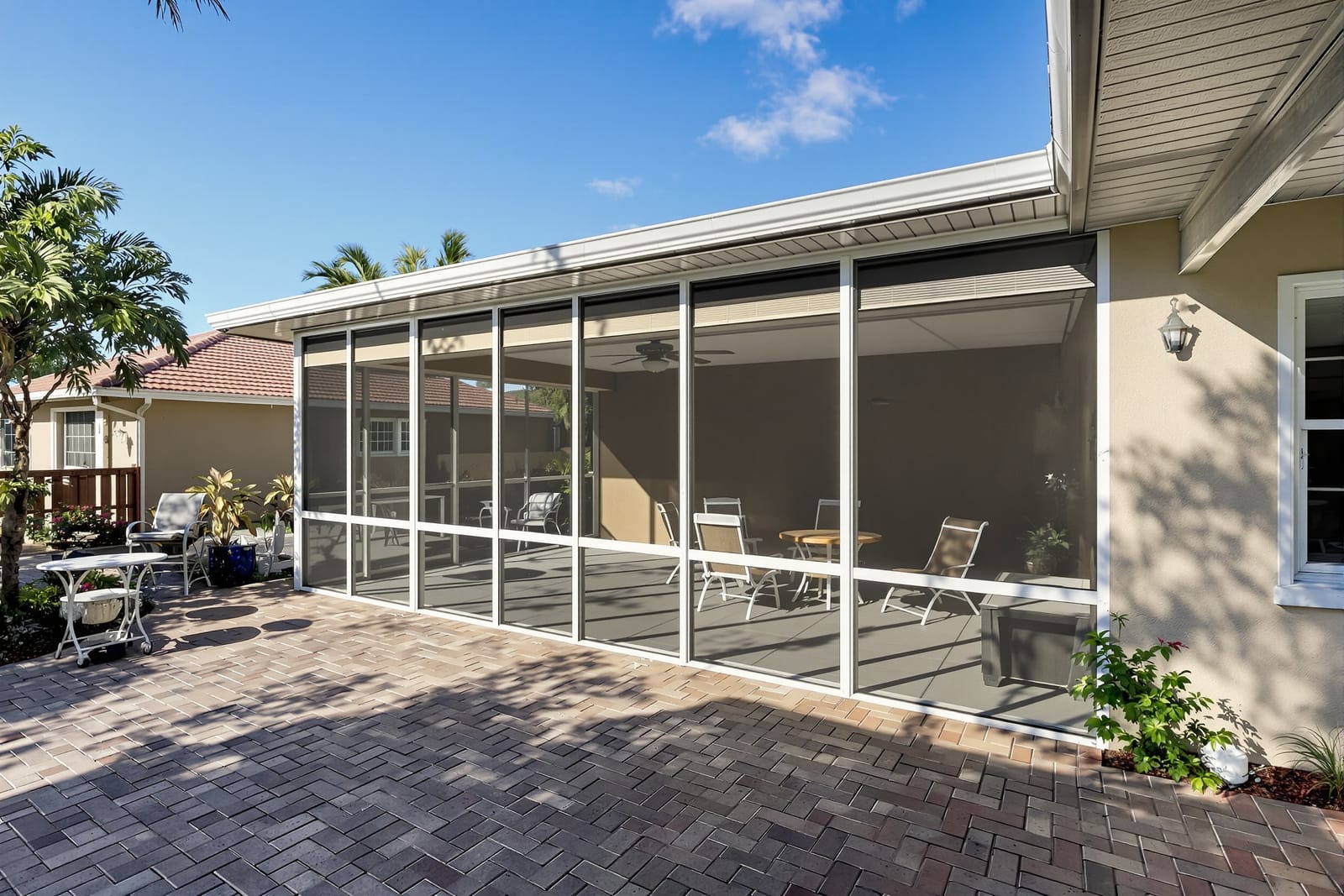
Charleston Screens provides patio and lanai screen repair in Charleston, SC to keep your outdoor living spaces protected and attractive. We repair tears, pet damage, loose screens, and bent framing on patios, lanais, and screened porches. Our team matches existing materials for a seamless look. Request a prompt repair visit and quote today.
Charleston Screens provides professional lanai screen throughout Charleston, SC, South Carolina and the surrounding area. Our licensed, insured crew delivers safe, clean, on-time work with a free estimate before anything begins. Call (843) 887-7199 or request your free quote.
Local Patio and Lanai Screen Repair in Charleston, SC
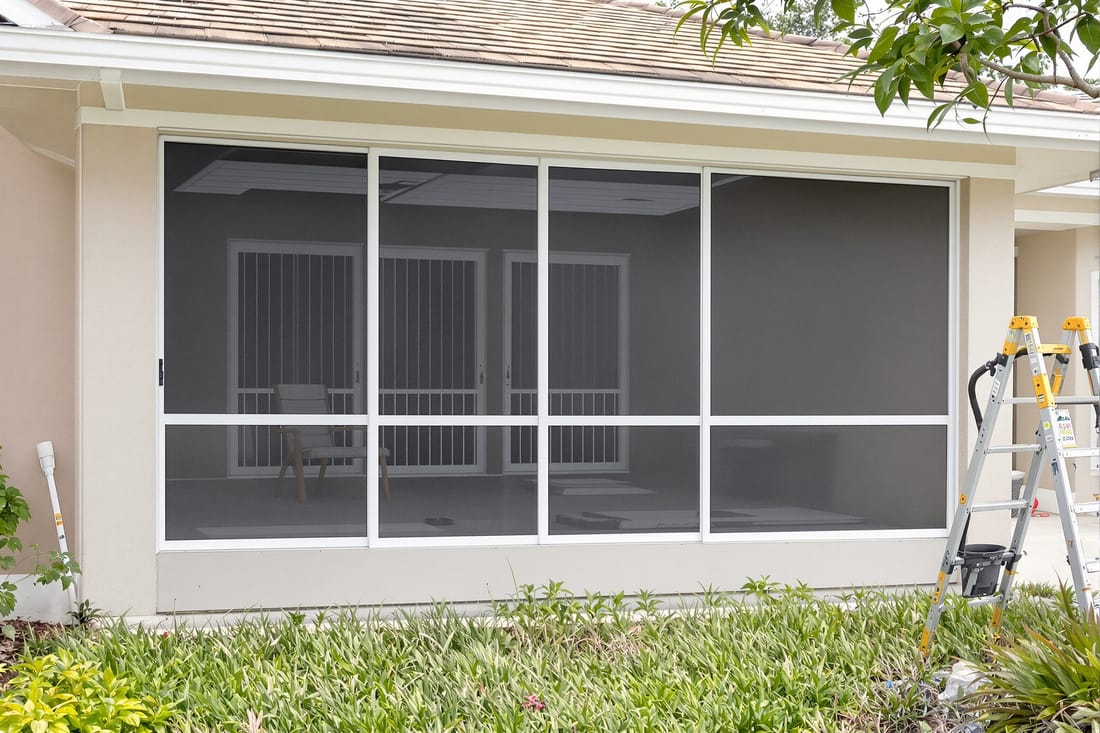
If your patio or lanai screen is torn, sagging, or full of salt-stained holes, Charleston Screens can bring it back to life so you can enjoy the breeze without the bugs. We focus specifically on screen work in the Charleston area, so we understand what local weather, coastal air, and neighborhood HOA rules actually do to screened outdoor spaces.
A lot of our calls start the same way. Someone goes to open the slider, a corner of the screen gives way, and suddenly no one can sit outside in the evening without getting eaten up by mosquitoes. Instead of living with a taped patch or a temporary DIY fix, we inspect the whole enclosure and identify every weak point, not just the obvious rip. That approach keeps you from having to call again in six months when another panel fails.
We repair screened patios, lanais, porches, and pool enclosures throughout Charleston, Mount Pleasant, West Ashley, Johns Island, James Island, and the surrounding coastal communities. Whether your home backs up to a marsh, a golf course, or a tight downtown backyard, we match the repair to your setting so your screens look clean and intentional, not pieced together.
How Our Patio and Lanai Screen Repair Process Works
When you schedule patio or lanai screen repair with Charleston Screens, we start with a short phone call to get a clear picture of your space. We ask about enclosure size, screen height, whether there is a pool inside, pet issues, and how old the original screens are. If the damage is minor and straightforward, we can often give a ballpark estimate right away, subject to final on-site measurements.
On the day of service, we do a full walkaround of the enclosure. We check for frame corrosion from the salt air, loose spline, torn corners at the doors, popped fasteners, and bowed aluminum members where wind pressure has flexed the structure. Instead of repairing the single worst panel and leaving the rest until they fail, we point out any sections that are close to failing so you can decide whether to address them now or later.
Once you approve the scope, we remove the damaged screen panels by lifting or pulling the spline out of the frame channel, then carefully cutting the old screen free. We use the existing aluminum framework whenever it is sound, which keeps costs down, but we will flag any uprights or cross members that should be reinforced or replaced. After measuring each opening, we cut new screen material with a bit of overhang so the reinstalled panel can be tensioned properly without sagging.
New screen is rolled into the channel with fresh spline sized correctly for your frame. We use spline rollers with both convex and concave wheels so we can work cleanly around corners and tight spots. Once each panel is in, we trim any excess screen with a sharp utility blade, then test each span by applying pressure and checking that the panel stays tight, with an even appearance from both the inside and outside.
Screen Material Options for Coastal Charleston Homes
Coastal conditions around Charleston are hard on screen enclosures, so material choice matters. During your repair consultation, Charleston Screens walks you through several options that handle salt, sun, and wind differently, so you can match performance to your budget and your view.
Standard fiberglass insect screen is the most economical choice. It is flexible and easy to work with, which makes it ideal for basic patio and lanai repairs when budget is the top priority. However, fiberglass tends to stretch and fade more quickly under strong sun and repeated storms, which is why many of our coastal customers upgrade.
For homes closer to the water or exposed to regular marsh breezes, we often recommend coastal-grade polyester or PVC-coated polyester. These materials resist stretching and hold tension much longer, even when afternoon thunderstorms push wind against the enclosure. They also stand up better to salt spray, which is a real issue in areas like Daniel Island, Isle of Palms, and Sullivan's Island.
If you have dogs or cats that lean or jump on the screen, we can install a heavier pet-resistant mesh along the bottom sections of the lanai. It has a tighter weave and thicker strands, which significantly reduces pet damage. For homeowners concerned about maintaining a marsh or golf course view, we also offer charcoal and darker screen materials that visually disappear more than silver or light gray options, which helps preserve that open, airy feel while still keeping the bugs out.
Common Lanai Screen Problems We See in Charleston
Patterns repeat from neighborhood to neighborhood, and Charleston Screens has repaired thousands of patio and lanai screens across the Lowcountry. We see a handful of common issues that are very specific to this region and climate.
Wind and storm damage are at the top of the list. Strong summer thunderstorms, tropical systems, and nor'easters create pressure that pushes against the enclosure walls. Over time, this can stretch panels, pull spline out of the grooves, or create long vertical tears where the screen meets the framing. We address this by not only replacing the torn material, but also making sure the new screens are properly tensioned and, where possible, broken up into panel sizes that are less prone to wind bulging.
Salt and humidity are another recurring problem. In pockets near the harbor or marsh, aluminum framing can corrode and roughen. That rough surface then cuts into the screen fibers, especially at contact points and corners, which shows up as frayed edges or “mystery” holes. In these cases we lightly clean or smooth the frame areas that contact the screen and use higher quality spline that can handle the less-than-perfect channels.
We also frequently see damage where landscaping meets the enclosure. Shrubs that brush the screen whenever the wind blows, weed trimmers that nick the lower panels, and ladders set against the lanai wall all lead to premature wear. Part of our service is pointing out these contact points so you can adjust plants, irrigation heads, or maintenance habits. A small change in how the space is used can extend the life of your repaired screens by years.
What Affects the Cost of Patio and Lanai Screen Repair
Homeowners often ask why one neighbor’s repair was inexpensive while another seemed more involved. Charleston Screens is transparent about what drives the cost of patio and lanai screen repair so you can make informed decisions.
The main factor is the total square footage of screen being replaced. A few small panels around a door or corner are straightforward. Large wall spans, two-story enclosures, or full pool lanais require more material and more labor, especially if ladders or scaffolding are needed to reach the upper sections.
Screen material choice also affects pricing. Standard fiberglass is the least costly, while coastal-grade polyester, pet-resistant mesh, and specialty view-preserving screens are priced higher. During our visit, we often price out two or three options side by side, so you can compare short-term savings with long-term durability.
Labor complexity is another driver. Tight access between the lanai and a fence, steep grade changes, built-in outdoor kitchens, and attached pergolas can all make panel removal and replacement more time consuming. Older frames that are out of square or that have distorted corners take additional care so the finished screen is tight and visually straight even when the metal is not perfect.
Finally, any frame repairs or reinforcement will add to the scope. We never push unnecessary work, but we will show you if a cross member is loose or if fasteners have rusted away. In those cases, replacing or reinforcing a small section of framing during the screen repair is usually less expensive than waiting for a structural failure later.
Preparing Your Patio or Lanai for a Smooth Repair Visit
A little preparation before we arrive can make your patio or lanai screen repair go faster and keep your belongings clean and safe. When you schedule with Charleston Screens, we send a short checklist so you know what to expect.
We ask that you move furniture, grills, planters, and decor a few feet away from the enclosure walls where work is planned. This gives our technicians room to remove and reinstall panels and reduces the chance of accidental damage. If any items are too heavy or built-in, just let us know during scheduling and we will plan our approach around them.
If your lanai has a pool, we recommend turning off automatic cleaners or fountains during the repair, since we may be working above the water at times. For homes with pets, it helps to have dogs and cats secured indoors or in another part of the yard while screens are being replaced so they do not escape through temporarily open sections.
We typically clean loose debris from the frame contact areas while we work, but if your enclosure has heavy mildew or algae buildup, consider a gentle wash a few days before the appointment. Avoid pressure washing the screens themselves right before we come, since wet frames and fabric can slow installation. When we finish, we do a final walk-through with you, check that doors and hardware operate correctly, and leave the work area swept and free of old screen scraps and spline.
Why Charleston Screens Is a Good Fit for Your Lanai Screen Repair
Choosing someone to work on the screened area you use every day is partly about skill and partly about trust. Charleston Screens is locally owned, and our team spends every workday in Charleston's neighborhoods, not driving in from another city. That local focus means we see the same floor plans and enclosure styles over and over, so we already know how your builder likely constructed your patio or lanai.
We carry commonly used screen materials, spline sizes, and basic hardware on our trucks, which lets us complete most repairs in a single visit. If you have an unusual frame profile or an older custom build, we take detailed measurements and, when needed, order specialty materials so the repair looks intentional rather than patched.
Because we are in the community year round, we stand behind our work. If a new panel pops out of the spline channel or shows an installation defect shortly after the job, we come back to make it right. We also offer guidance on simple maintenance, like how often to rinse your screens in salty areas and what kind of cleaning tools are safe to use, so your repaired patio or lanai stays in good shape through Charleston's humid summers and windy winter fronts.
If your lanai screen is torn, loose, or simply worn out, Charleston Screens is ready to help you reclaim your outdoor space so you can enjoy the breeze without the pests.