Home › Commercial Screen Installation
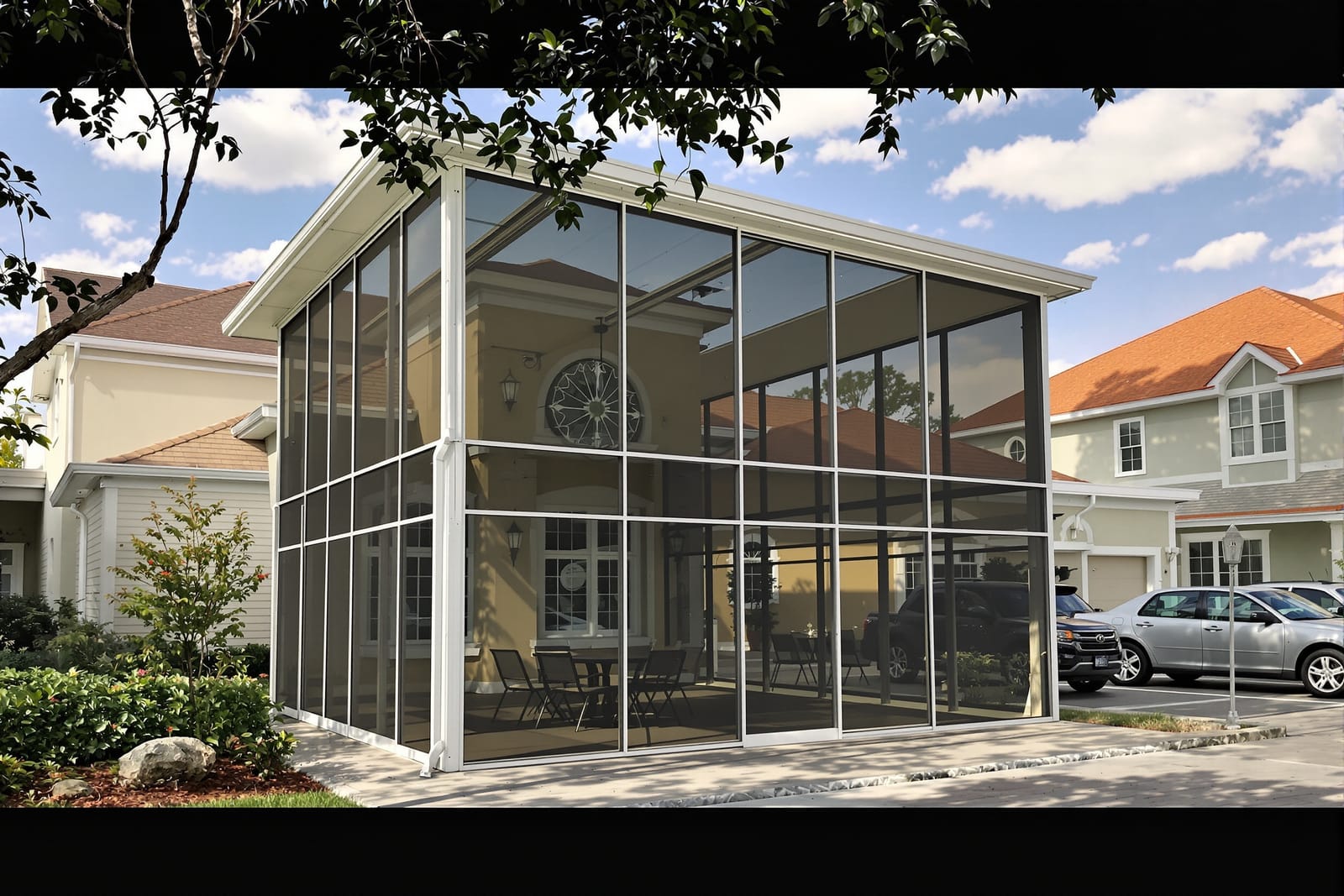
Charleston Screens handles commercial screen installation in Charleston, SC for restaurants, hotels, multifamily communities, and facilities. We design and install screened patios, smoking areas, pool enclosures, and entry doors that meet code and withstand heavy use. Our team coordinates around your operations to minimize downtime. Request a commercial site assessment and proposal today.
Charleston Screens provides professional commercial screen installation throughout Charleston, SC, South Carolina and the surrounding area. Our licensed, insured crew delivers safe, clean, on-time work with a free estimate before anything begins. Call (843) 887-7199 or request your free quote.
Commercial Screen Installation for Charleston Businesses
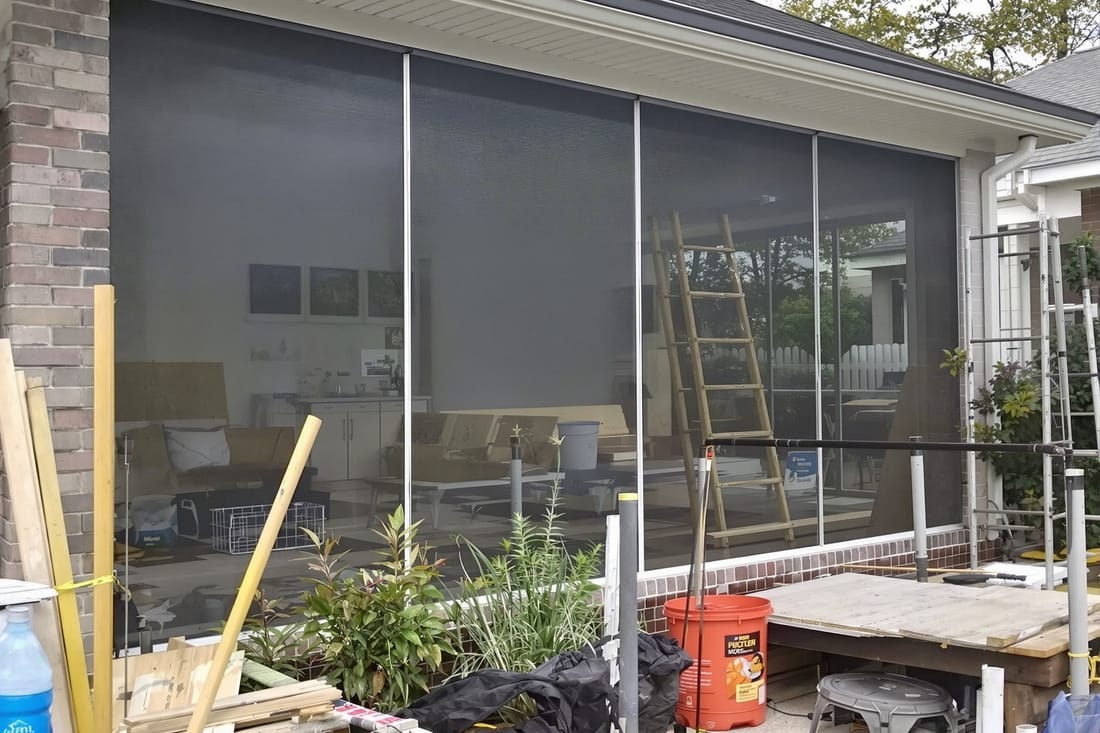
Charleston Screens provides commercial screen installation for businesses across Charleston, SC, with a focus on practical design, durability in our coastal climate, and minimal disruption to your operations. We work with property managers, restaurant owners, office parks, hospitality venues, and light industrial facilities to create screened spaces that are comfortable for customers and staff.
Instead of a one-size-fits-all package, we start with how your building is actually used. A waterfront restaurant on Shem Creek needs a different screening approach than a medical office in West Ashley. During our on-site visit, we look at wind exposure, salt air, sun direction, how people move through the space, and how the screens will interact with your doors, exits, and existing building systems.
Our team is familiar with local building expectations, fire egress rules, and typical commercial lease requirements in Charleston. That means we plan commercial screen installation with life safety, ADA access, and landlord restrictions in mind, so you are not caught off guard at inspection time or lease renewal.
How Our Commercial Screen Installation Process Works
When Charleston Screens installs commercial screens, we follow a clear, step-by-step process that keeps your project predictable and on schedule.
1. Site walk and use-case review. We walk the property with you, identify where screens are needed, and talk through the primary goals: more outdoor seating, insect control for work bays, shading conference rooms, or enclosing common areas in multi-family communities.
2. Measurements and structural assessment. We take detailed measurements of openings, posts, beams, soffits, and existing framing. For large patios and breezeways, we look at how your structure handles wind loads, which is important in Charleston due to coastal storms. If needed, we coordinate with your engineer or landlord to confirm attachment methods.
3. Design and material selection. Based on use and budget, we recommend specific screen types: standard fiberglass for low-impact areas, heavy-duty polyester or pet-resistant mesh for high traffic spaces, solar screens for heat reduction on west-facing walls, or corrosion-resistant options for waterfront properties. We also discuss frame colors, hardware finishes, and door configurations so the new screens match your property’s aesthetics.
4. Scheduling around your operations. For restaurants and retail, we typically schedule commercial screen installation during off-hours or slower periods to avoid interrupting service. For offices and HOAs, we can phase work across different sections so only part of the property is affected at a time.
5. Installation and quality check. Our installers set frames, tension the mesh correctly, and seal all edges so insects stay out. We pay special attention to door closers, thresholds, and any transition between interior and exterior so customers and staff can move safely. Once complete, we walk the job with you, test all moving parts, and address any punch list items on the spot whenever possible.
Screen Types, Frames, and Hardware Options for Commercial Properties
Commercial screen installation has more variables than a typical home project, especially around durability and code considerations. Charleston Screens gives you several choices so you can match performance to how your business actually operates.
For high traffic areas like restaurant patios or apartment community pools, we usually recommend heavier gauge aluminum frames and reinforced corner joints. These tolerate frequent door use and occasional bumps from furniture or carts. For coastal-facing buildings in places like Folly Beach or Mount Pleasant, we lean toward powder-coated frames and stainless or coated hardware to limit rust from salt air.
Mesh options include standard insect screen for basic patios, small-weave no-see-um mesh for marsh-front locations where gnats and sandflies are common, and solar screen for glass-heavy office fronts that heat up in the afternoon. In warehouse and production environments, we often use stronger, tear-resistant mesh that can handle contact with boxes or equipment.
You can also choose from fixed panels, hinged or sliding screen doors, and large retractable or panel systems for event spaces and roll-up openings. For example, some Charleston restaurants use retractable screens along their street frontage so they can open the space completely in mild weather and close it when bugs or storms move in.
Hardware details matter on commercial jobs. We specify heavy-duty closers on screen doors, ADA-friendly thresholds where the public enters, and corrosion-resistant fasteners. These choices cost a bit more up front, but they reduce maintenance calls and keep the screens working during the busy season.
Cost Factors and Practical Considerations for Businesses in Charleston, SC
The cost of commercial screen installation with Charleston Screens is driven less by square footage alone and more by complexity and performance goals. During our estimate, we give line-item clarity so you can see where your investment is going.
The main cost factors are the type of screen system, the level of wind and weather exposure, the number and style of doors or access points, and any structural modifications that are required. A simple line of fixed screens along a sheltered courtyard costs less per foot than a large, wind-exposed patio with multiple screened doors, retractable sections, and custom framing.
Local conditions around Charleston also affect choices and budget. High-wind barrier islands or waterfront sites may need stronger framing, more attachment points, and upgraded mesh, which costs more but prevents damage during summer storms. Older masonry buildings downtown sometimes require custom brackets or drilling solutions to anchor frames safely without damaging historic materials, which adds labor time but protects your structure.
We also discuss operating costs. Solar-screen options can reduce cooling loads in west- and south-facing offices, which matters during Charleston summers. Heavier-duty mesh and hardware cost more at install but can stretch replacement cycles from every couple of years to much longer, especially in busy restaurants and multi-family common areas.
If you need to present the project to a landlord, condo board, or corporate office, we can provide a written scope with product specs, attachment details, and photos of similar completed projects, which often speeds up approvals.
Permits, Compliance, and Why Local Experience Matters
For most basic commercial screen installations that do not change your building footprint or affect structural components, permits in Charleston are often minimal or not required. However, once a project involves adding structural posts, modifying railings, or enclosing an area that changes occupancy or egress, code and permitting concerns become more important.
Charleston Screens helps you understand when your project might trigger attention from building officials, your landlord, or your insurance carrier. For example, enclosing an open-air stairwell or breezeway in a multi-family property can affect ventilation requirements and exit paths. Turning an open patio into a semi-enclosed dining room can raise questions about occupant load and emergency exits. We flag these issues early so you can coordinate with your architect, property manager, or the City of Charleston if needed.
We also pay attention to HOA and design review rules in communities around Charleston, SC, like Daniel Island and certain Mount Pleasant neighborhoods, which may dictate frame colors, visibility from the street, or how much of a facade can be screened. Our proposals can be tailored to meet these guidelines, with product brochures and color samples that are easy to submit to boards.
In flood-prone and storm-sensitive areas, we consider how screens will behave in high winds and heavy rain. On some exposed sites, we may recommend easily removable panels or retractable systems so staff can secure the area before a storm. This is especially important for waterfront restaurants, marinas, and event venues, where storm damage can affect business operations.
By combining local knowledge with practical design, Charleston Screens helps businesses get functional, code-conscious commercial screen installations that work with Charleston’s reality: humidity, insects, salt air, and the need to keep customers comfortable outdoors for as much of the year as possible.