Home › HOA and Multifamily Screen Services
Charleston Screens delivers HOA and multifamily screen services in Charleston, SC for condos, townhomes, and apartment communities. We offer community wide inspections, bulk screen repairs, and uniform replacements for patios, porches, and doors. Our team works with managers and boards to set standards and schedules. Contact us to plan a tailored screen program for your property.
Charleston Screens provides professional hoa screen services throughout Charleston, SC, South Carolina and the surrounding area. Our licensed, insured crew delivers safe, clean, on-time work with a free estimate before anything begins. Call (843) 887-7199 or request your free quote.
HOA and Multifamily Screen Services in Charleston, SC
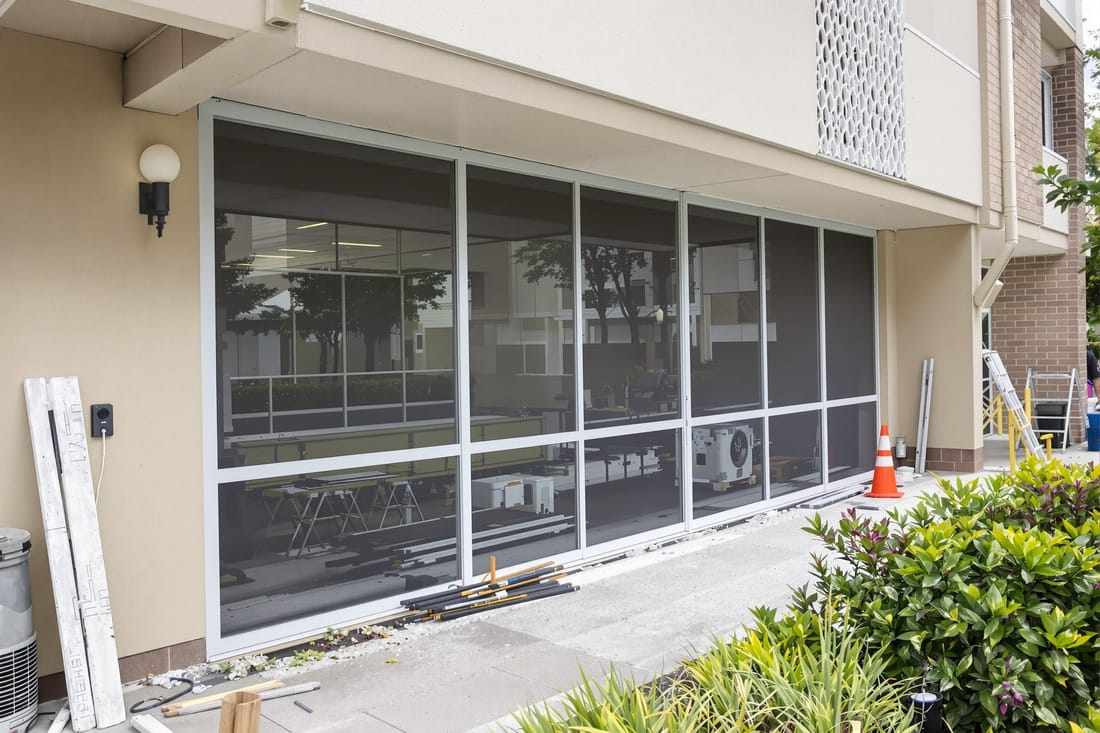
Charleston Screens specializes in HOA and multifamily screen services for condos, townhome communities, apartment complexes, and planned neighborhoods across the Charleston area. We understand that your property is not just a place to live. It is a shared investment that must stay safe, attractive, and consistent with community rules.
When we work with an HOA board, property manager, or building owner, our first step is always a site walk of the community. We review existing porch and patio enclosures, inspect window and door screens, and note differences from unit to unit. This helps us identify what can be standardized, what must be repaired right away, and where we can improve both appearance and durability without disrupting residents.
Because Charleston sits in a coastal, humid, and windy environment, screens in multifamily buildings deal with more salt, sun, and storm exposure than in many other regions. Our recommendations take that into account. We help you choose the right mesh, frame, and hardware that can stand up to local conditions while still fitting within your HOA design standards and budget.
Whether you manage a 12 unit townhome building in West Ashley or a 200 unit condo community in Mount Pleasant, Charleston Screens is set up to coordinate access, scheduling, and communication so the work gets done efficiently and politely, with minimal disruptions for residents.
How Our HOA Screen Services Process Works
Our process is designed around how HOAs and multifamily communities actually operate in Charleston, not around one time homeowner jobs.
1. Discovery call and document review: We start by discussing your goals, problem areas, and any current violations or resident complaints. You can email us your HOA architectural guidelines or multifamily design standards. We review any rules regarding frame color, allowed enclosure styles, visibility from common areas, and hurricane or wind requirements.
2. On site inspection and mapping: A Charleston Screens project lead walks the property, typically with a manager or board member. We inspect a representative sample of units, usually end units, upper floors, and any that already have damage. We note window sizes, porch openings, existing framing, and access issues, then build a breakdown by building and elevation so nothing is missed.
3. Standard detail and material proposal: For communities that want uniformity, we draft one or more standard screen specifications. For example, white aluminum frames with charcoal fiberglass mesh for all balconies facing the marsh, and bronze frames with pet resistant mesh for ground level patios. We send this with pricing by unit type, so the board can see costs clearly.
4. Board approval and resident communication: Once the board or owner approves a standard, we provide wording and diagrams you can include in newsletters or email blasts describing what will be done, when, and any temporary loss of use of balconies or patios. This step greatly reduces complaints and confusion.
5. Scheduling and phased installation: For larger properties, we work building by building, often starting with those in the worst condition or whose residents have been waiting the longest. Our crews use ladders or lifts as needed and coordinate access so residents are not surprised.
6. Final walk and documentation: After each phase, we walk the buildings with management, create a punch list if needed, and provide a summary of work completed. For HOAs that want it, we can also provide a simple guideline document that future owners can use if they need screens replaced to match the community standard.
Screen Types and Material Options for Multifamily Properties
Multifamily and HOA communities around Charleston often need more than one screen solution. Charleston Screens helps you select the right combinations so you avoid constant callbacks and uneven appearances from one unit to the next.
Porch and balcony screens: For most balconies and screened porches, fiberglass mesh is the most economical option. It resists rust and is easy to repair. For higher wind or high traffic areas, we may recommend heavier fiberglass mesh or polyester mesh that can handle more impact from pets or children pressing on the screen. Where view is a priority, such as marsh front or harbor facing buildings, we can use high visibility mesh that looks almost invisible from inside while still keeping insects out.
Window and patio door screens: Many older multifamily buildings in Charleston have aluminum frame screens that are now bent, corroded, or missing pull tabs. We can rebuild these to a standard size and color so replacements are easy in the future. Options include standard fiberglass mesh, no see um mesh for midges and gnats that are common around wetlands, and tougher pet resistant mesh on ground floors.
Pet and damage resistant options: Ground floor units and townhomes often benefit from pet resistant mesh and slightly heavier frame stock. This costs more up front but can significantly reduce repeat repairs. We are clear about which areas truly need these upgrades versus where standard materials will perform well.
Hardware and frame finishes: To match community aesthetics, we offer white, bronze, and other common powder coat colors for frames. We also choose fasteners that resist corrosion from salt air, particularly near Folly Beach, Daniel Island, and other waterfront communities. These details matter because low quality hardware can fail long before the mesh does, leading to loose panels that violate HOA standards for appearance and safety.
What Drives Cost for HOA and Multifamily Screen Projects
Budget planning is a real concern for boards and property managers, so Charleston Screens explains pricing up front in practical terms.
Scope and access: The number of units, height of the building, and difficulty of access all affect cost. Ground floor patios along a sidewalk are much faster and cheaper to service than fourth floor balconies that require lift equipment or interior access appointments.
Standardization: Communities that adopt a single standard detail for each building type usually see better pricing, because materials can be ordered in bulk and our crews can work more efficiently. When every unit is different, it slows production and increases labor cost.
Material choices: Higher grade meshes, such as no see um or pet resistant, and heavier frame stock cost more than standard fiberglass and light aluminum. However, using premium materials only where they actually add value, such as at corners exposed to wind or in pet heavy areas, can keep the overall budget under control.
Existing condition: Screens that can be re screened into existing frames are less expensive than complete tear out and rebuilds. In some older Charleston buildings, frames are too corroded or warped to reuse. During your initial inspection, we flag buildings or elevations where replacements are unavoidable so you can plan accordingly.
Phasing options: Many HOAs prefer to split work into phases over multiple years. We can prioritize life safety or severe deterioration first, such as loose panels on upper floors, then move on to cosmetic or optional upgrades later. Our proposals are structured so you can adjust the scope as budgets and reserve studies change.
Common Problems in Charleston HOAs and How We Solve Them
Charleston's coastal climate and the way many multifamily buildings were built in the 80s, 90s, and early 2000s create some recurring screen problems. Charleston Screens has solved these many times, and we bring that experience to your property.
Salt and corrosion: Near the water, aluminum frames and steel fasteners can pit and rust. We specify corrosion resistant hardware and quality powder coated frames for balconies that face the ocean, marsh, or Cooper River. For buildings already showing corrosion, we evaluate whether partial replacement of key components or full frame replacement is the more cost effective long term solution.
Wind and storm damage: Afternoon thunderstorms and tropical systems can pull out poorly fastened screens. We use proper spline sizes, sufficient fasteners, and in some cases, additional mid rails or support bars on larger openings. Our goal is a screen system that is forgiving during wind events but does not constantly tear or loosen.
Inconsistent appearance: Over years of piecemeal repairs and owner modifications, many communities end up looking patchy with different mesh colors and frame styles. We help your board or management team choose a unified standard, then phase in replacements building by building. Residents end up with a cleaner, more coordinated appearance that can help property values and curb appeal.
Resident complaints and access: Unit access can be a challenge, especially in rentals or second homes on the islands. We coordinate with management, offer set appointment windows, and communicate clearly when balconies or patios will be temporarily inaccessible. For exterior only work on upper floors, we often can complete repairs entirely from the outside to avoid disturbing residents.
Partnering With Charleston Screens as Your Long Term Screen Contractor
Our goal is not a one time project but an ongoing partnership that keeps your community's screens in good condition and compliant with your rules.
Service programs: For larger HOAs and multifamily owners, Charleston Screens can set up an annual or biannual inspection and maintenance plan. We walk the property one or two times per year, identify damaged or missing screens, and provide a prioritized report. This helps you plan work before it becomes a larger issue or a pattern of violations.
Clear standards for owners: Once a community standard is in place, we can supply your HOA or management office with a simple guideline that outlines allowable screen types, colors, and details. This way, when owners or tenants ask about replacing a screen on their own, they and any outside contractor have clear instructions that match the property standard.
Local knowledge: We are familiar with the needs of communities in downtown Charleston, Mount Pleasant, James Island, Johns Island, North Charleston, Summerville, and the beach areas. We understand how salt, humidity, bugs, and hurricane season affect screen performance, and we tailor our recommendations accordingly.
If your HOA or multifamily property is ready for a more organized, consistent approach to screen maintenance and upgrades, Charleston Screens is ready to help with a plan that respects your budget, your rules, and your residents.