Home › Patio Screening Installation
Charleston Screens transforms open outdoor spaces with professional patio screening in Charleston, SC. We design and install custom screen walls and doors that turn your patio into a comfortable bug free retreat. Our systems integrate seamlessly with existing roofs and railings. Schedule a visit today to discuss your screened patio ideas and options.
Charleston Screens provides professional patio screening throughout Charleston, SC, South Carolina and the surrounding area. Our licensed, insured crew delivers safe, clean, on-time work with a free estimate before anything begins. Call (843) 887-7199 or request your free quote.
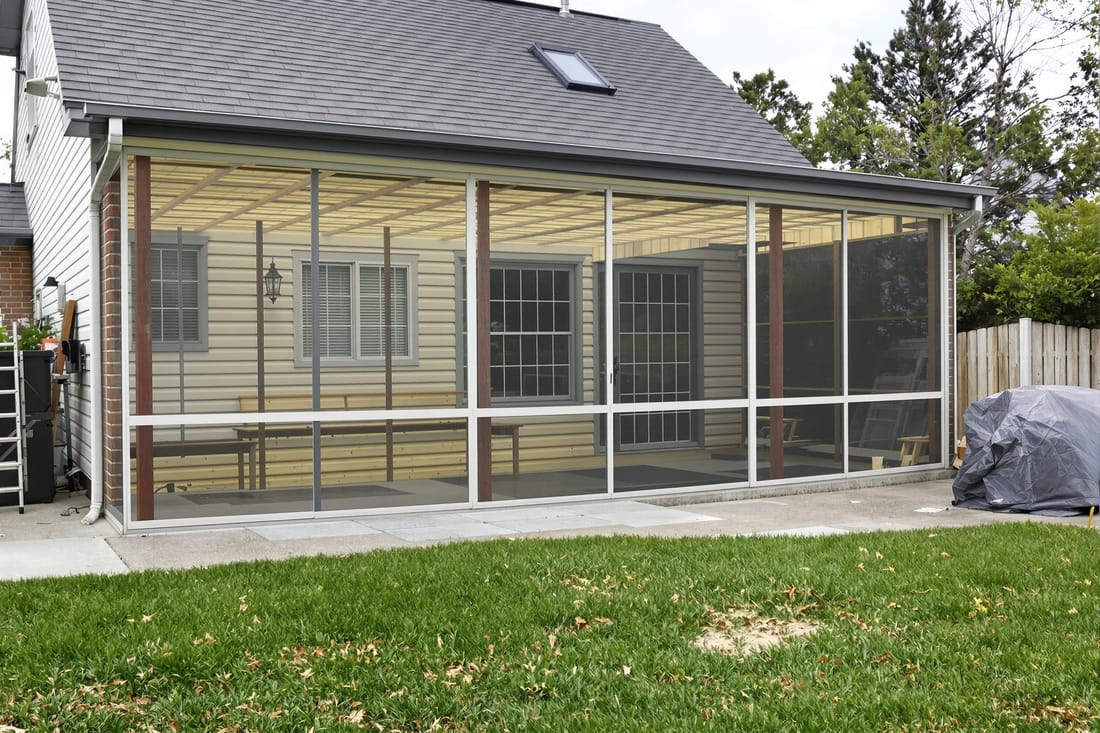
Practical Patio Screening for Charleston Homes
Patio screening in Charleston is not a one-size-fits-all job. Our climate, older housing stock, and coastal wind all affect how a screened patio needs to be designed and built. At Charleston Screens, we focus on making the enclosure fit your existing structure first, then choose materials and layout that stand up to local conditions.
Most of our patio screening projects are on brick ranch homes from the 60s and 70s, elevated Lowcountry homes on James Island and West Ashley, and newer vinyl-sided developments in Mount Pleasant and Summerville. Each style has its own attachment points, trim details, and water management issues. Before we talk about fabric types, we look at your roofline, fascia boards, slab or deck framing, and how water currently drains off the patio.
Instead of selling a standard kit, we measure every opening, check the condition of the posts and beams, and confirm that the existing patio framing can accept fasteners without splitting or creating leak points. This prevents common problems later, like screens pulling loose in a storm or water entering along the house wall. The result is a patio screen installation that looks like it was built with the house, not added as an afterthought.
How We Install Patio Screening Step by Step
Charleston Screens follows a clear installation process so the work is predictable for you and structurally sound for your home.
1. Site visit and inspection: We verify the patio slab or deck is level enough for framing, inspect posts, headers, and house trim for rot, and identify any electrical or lighting that needs to be worked around. If we see damaged wood, we quote repair or replacement before we start screening.
2. Layout and framing adjustments: Many older Charleston patios are slightly out of square. We set vertical posts or aluminum framing to create plumb, square openings, sometimes adding filler trim where brick or siding bows out. This keeps the screen fabric tight and avoids wrinkling.
3. Attachment prep: We mark and pre-drill into brick mortar joints, wood fascia, or structural columns so fasteners do not crack masonry or strip out of soft wood. On coastal-facing patios, we use extra corrosion-resistant fasteners and sealant at the house connection.
4. Screen system installation: For most projects we use aluminum frames with spline channels. We install the frame first, confirm all openings are uniform, then roll in the screen fabric with spline so tension is even from top to bottom. On wider spans we add mid-rails so the screen does not belly in the wind.
5. Door and threshold work: We hang self-closing screen doors, adjust hinges, then install sweeps and thresholds so insects cannot enter under the door. For patios that sit over crawlspace vents or uneven concrete, we custom cut threshold plates or trim concrete high spots.
6. Final sealing and clean up: We caulk appropriate joints, especially where framing meets brick or siding, and we cap exposed spline ends. Then we test every panel for proper tension, confirm doors latch cleanly, and remove all debris from the patio so you can use it immediately.
Screen Materials and Design Choices That Matter in Charleston
The right patio screening materials depend on how you use your patio and where your home sits relative to sun, trees, and marsh. Charleston Screens walks you through options with real pros and cons rather than generic upgrades.
Standard fiberglass screen is common for shaded patios with moderate use. It is cost effective and easy to repair, but it can stretch more under constant wind. For open, wind-exposed yards, we often recommend heavier-duty polyester or vinyl-coated polyester, which holds tension better and resists tearing when debris hits.
If gnats and no-see-ums are a problem, especially near marshes or retention ponds in areas like Daniel Island, Johns Island, and parts of North Charleston, we install tighter-weave screening specifically made for tiny insects. This reduces airflow slightly but dramatically cuts down on biting bugs.
For pets or active families, we suggest pet-resistant screens that can handle clawing and rough contact near the bottom of the panels. On patios used for TV watching or work-from-home, we can use darker screens that cut glare and offer more daytime privacy. In west-facing yards with strong afternoon sun, solar screen fabrics can drop interior patio temperatures and protect furniture from fading.
Frame color and trim details are also important. White frames typically match vinyl siding and trim in newer subdivisions, while bronze or black frames look cleaner against brick and older Lowcountry homes. We match door profiles and door hardware so everything looks deliberate, not patched together.
Common Patio Screening Issues and How We Prevent Them
Local homeowners often call Charleston Screens because their existing patio screens are sagging, the frames are pulling away from the house, or the door never latched correctly. These problems usually start during the initial installation, long before the first storm hits.
Sagging and wrinkling: This happens when the span between posts is too wide or the installer did not tension the screen evenly. We measure every opening and add vertical mullions or mid-rails in wider bays. During spline installation we tension from the center out and from top to bottom to keep fabric flat.
Loose frames and water leaks: On brick homes around downtown Charleston, North Charleston, and older West Ashley, we frequently see screen frames fastened directly into soft brick faces. Over time, vibration and moisture cause these points to fail. We prefer to fasten into mortar joints or structural wood, and we back critical joints with sealant or flashing to keep water from tracking into the wall.
Corrosion and staining: Salt air and humidity cause cheap screws and brackets to rust and bleed onto concrete and siding. We use coated or stainless fasteners appropriate for coastal conditions and avoid dissimilar metals that can corrode each other.
Door problems: A misaligned door will always fight you. We plane or shim jambs as needed, check the square of the opening, and adjust hinges under load so the door closes under its own closer tension. Weatherstripping and sweeps are fitted last, only after the swing is perfect.
What Affects the Cost of Patio Screening in Charleston
Homeowners usually want a straightforward explanation of why one patio screening quote is higher than another. At Charleston Screens, we break pricing into specific factors tied to your patio and choices.
1. Size and height of the patio: Taller enclosures and long perimeter runs require more framing and more labor to stretch and install screens safely. Elevated decks with limited ground access usually take longer than ground-level slabs.
2. Existing structure condition: If your posts are solid and your header is straight, we can often attach directly and move quickly. If there is wood rot, undersized beams, or failing trim, we either reinforce or replace those components before screening. That repair work adds to the project cost but prevents failures later.
3. Material selection: Standard fiberglass mesh and basic aluminum framing keep costs down. Upgraded insect control meshes, pet-resistant fabric, or solar screens cost more per square foot. Similarly, heavy-gauge framing and stainless or specialty fasteners add a bit to the total but are smart for coastal exposures.
4. Design complexity: Simple rectangles with one door are more affordable than patios with multiple corners, angled walls, or integration with existing railings and staircases. If we are tying into an existing roof or adding kick panels, that precision work takes more time.
5. Site accessibility and permitting: Tight side yards in older Charleston neighborhoods, limited parking, or multi-story access can affect labor time. In some cases, especially for major structural changes or historic districts, permits or architectural approvals are required, which we discuss upfront.
We provide written estimates that show scope and main cost drivers. If you have a budget target, we can recommend where to save, such as using standard mesh in less visible areas while upgrading mesh only where it impacts comfort most.
Preparing for Your Patio Screening Project and Working With Us
A little preparation on your end helps us complete your patio screening quickly and with less disruption. Before Charleston Screens arrives, we ask that you clear furniture, grills, and storage items away from the patio edges so we can reach all attachment points. If you have irrigation heads close to the slab or deck, we may suggest minor adjustments to prevent overspray hitting the screen door or lower frames.
During our initial visit we confirm how you use the patio. Do you grill inside the screened area, watch games, or simply sit outside in the evenings? This drives details like outlet locations, TV placement, door swing direction, and where we might add a solid knee wall or kick plate to protect against chairs and pets.
We also discuss local code and practical safety issues. On elevated decks common in flood-prone parts of Charleston and Mount Pleasant, railing heights and baluster spacing matter. If we are screening behind existing railings, we keep the structural guardrail intact and mount screening to it rather than replacing it with non-structural frames.
Most standard patio screening installations take one to three days, depending on size and repair needs. We keep you informed about any surprises, like hidden rot or unsuitable existing fasteners, before we proceed. Once finished, we show you how the spline system works, what normal screen tension looks like, and how to spot early signs of damage so repairs stay simple and inexpensive.
If you are ready to enclose your patio or replace failing screens, Charleston Screens can inspect your space, explain clear options, and install a system built specifically for Charleston conditions, not just generic catalog specs.