Home › Screen Door Installation and Repair
Charleston Screens provides screen door installation and repair in Charleston, SC for porches, patios, and enclosures. We install new swinging and sliding screen doors and fix issues like sticking tracks, broken closers, and torn mesh. Our doors are built for frequent use and coastal weather. Contact us to upgrade or repair your screen door today.
Charleston Screens provides professional screen door installation throughout Charleston, SC, South Carolina and the surrounding area. Our licensed, insured crew delivers safe, clean, on-time work with a free estimate before anything begins. Call (843) 887-7199 or request your free quote.
Screen door solutions tailored to Charleston homes
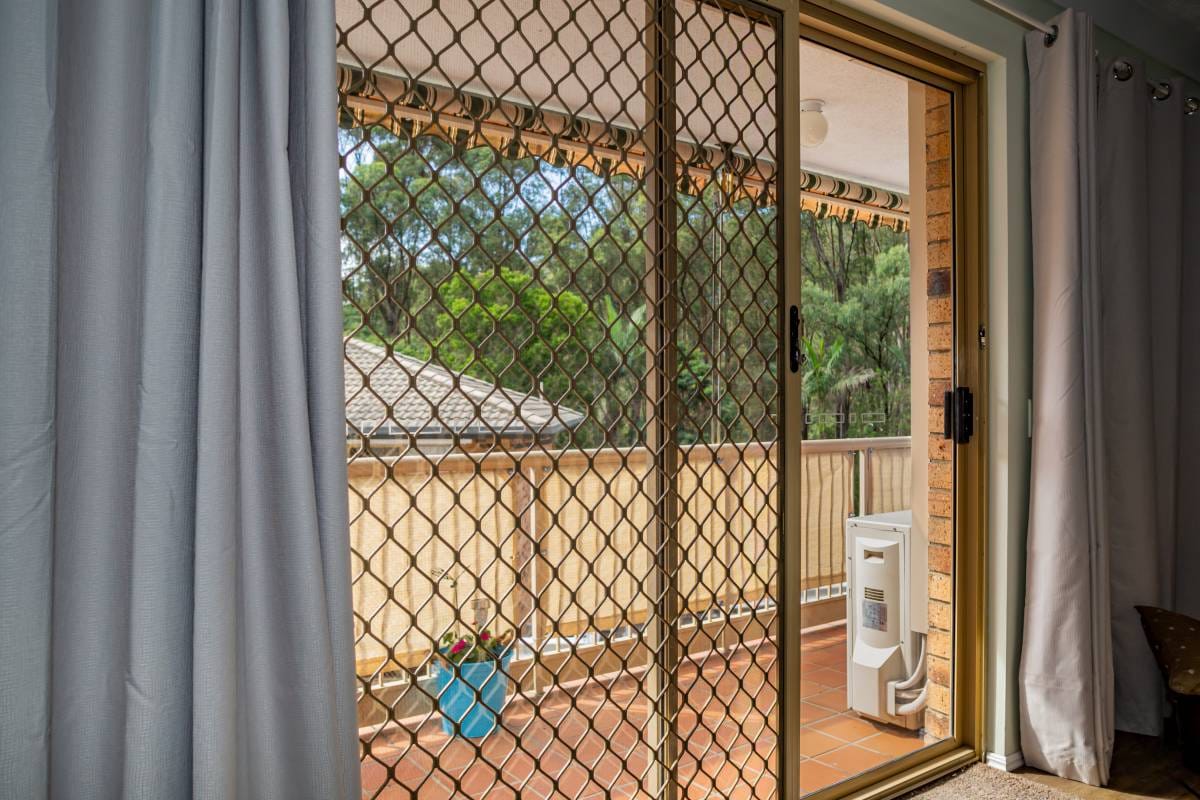
At Charleston Screens, screen door installation is not a side service, it is one of our core specialties for Lowcountry homes. Whether you live in a historic downtown Charleston single, a Mount Pleasant townhome, or a newer build in West Ashley, we design and install screen doors that match your architecture and stand up to coastal weather.
We start every project with a quick on site visit. We measure the opening in several spots, check the door frame for rot or swelling from humidity, and look at how the existing entry door swings. This lets us recommend the right style of screen door so it seals properly and does not drag, bind, or slam. We also note your trim details and paint colors so the finished door looks like it belongs there, not like an afterthought.
Because Charleston summers are hot and buggy, many homeowners call us after a season of fighting mosquitoes and no-see-ums. We focus on tight seals and correct hardware placement so you can leave the main door open and enjoy the breeze without inviting insects in. If you have pets, kids, or a pool in the backyard, we also plan the door design with day-to-day use in mind, choosing screens and frames that can handle the extra traffic and humidity.
Our screen door installation process, step by step
A clean, accurate installation is what makes a screen door feel solid instead of flimsy. When Charleston Screens installs your new screen door, we follow a detailed process that prevents common problems like misalignment, sagging, and gaps.
First, we remove any existing storm or screen door hardware and inspect the jamb. In Charleston, we frequently find soft wood around the threshold from years of humidity and wind-driven rain. If there is any rot or splitting, we repair or replace those sections before we install the new door. This prevents future movement that can cause the screen door to warp or stop latching.
Next, we dry fit the new door. We test the door in the opening before drilling permanent holes so we can fine tune the fit. We check the reveal around the door, confirm it clears your main door hardware, and verify the swing direction is comfortable on your porch or entry. For double doors, we verify both panels align and the astragal seals correctly.
Once the fit is correct, we anchor the hinges into solid framing using exterior grade screws that resist corrosion from salty air. We then install the handle, latch, and any closer or wind chain. On beach side homes or exposed porches, we often adjust the closer tension so the door shuts firmly without slamming in strong gusts.
Finally, we test the door with you. We check that it latches easily, swings smoothly, and seals along the top, sides, and threshold. If there is any light visible where there should not be, we adjust the door placement, shims, or weatherstrip on the spot so you are protected from insects and drafts.
Repairing damaged or problem screen doors the right way
Many Charleston homeowners call Charleston Screens because a screen door that was working fine suddenly sticks, drags, or will not close all the way. In our climate, small alignment issues can show up quickly, especially on doors that were not installed with local conditions in mind.
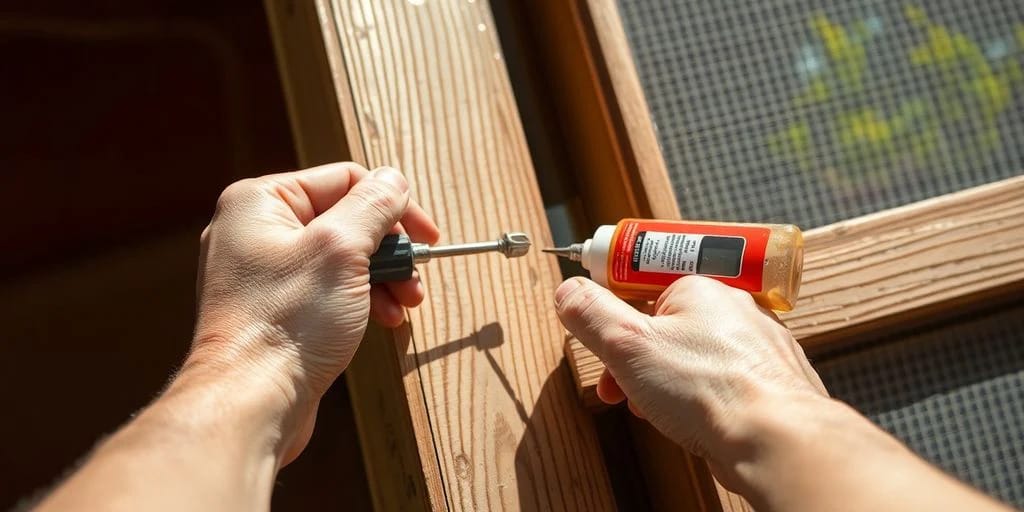
For repair visits, we start by diagnosing the root cause before recommending a fix. If your door is dragging on the threshold, we check the hinge screws, look for sag in the frame, and examine the sill for swelling. Often, simply tightening and resetting hardware is not enough, especially if the screws have been pulling out of soft wood. We may need to plug stripped holes, move hinges slightly, or replace a warped hinge leaf.
If the screen fabric itself is torn or pushed out of the frame, we can rescreen on site. We remove the old spline, clear the groove, and install new screen using the correct spline size so it holds under daily use. For homes with pets that jump or scratch at the bottom panel, we often recommend upgrading to pet resistant mesh or adding a metal kick plate so the repair lasts more than a season.
For doors that slam hard or fly open in strong winds, we examine the closer, brackets, and any wind chain. Coastal gusts from sudden storms can stretch or rip these components. We can replace worn closers, move brackets to a better position, and adjust the closing speed so the door closes securely without being a hazard to fingers or causing damage to the frame.
Screen and frame options that fit Charleston’s climate
Choosing the right screen door materials matters a lot in Charleston’s salty air and humidity. At Charleston Screens, we help you pick combinations that look good with your home and also hold up over time.
For frames, we typically install either powder coated aluminum or fiberglass composite screen doors. Aluminum is popular because it is lightweight, does not rust, and is available in white, bronze, black, and custom colors that match common Lowcountry trim. Fiberglass composite doors offer a more solid feel and better resistance to warping than basic wood, which is important on sun drenched front porches.
When it comes to screen fabric, we offer standard fiberglass mesh for light duty use, but most Charleston homeowners choose upgrades. Pet resistant mesh is thicker and tougher, ideal for dogs that lean or jump. For homeowners near marshes or water, we often recommend no-see-um mesh, which has a tighter weave to help keep tiny insects out during peak bug season. If privacy is important on a front porch that faces the street, we can install darker or slightly denser mesh that maintains airflow but makes it harder to see into the home during the day.
Hardware is another key decision. Coastal air can be hard on cheap metal parts, so we use exterior grade, corrosion resistant hinges, handles, and closers. For homes on the islands or very close to the harbor, we can upgrade to stainless or higher grade finishes so your hardware does not pit or corrode prematurely.
What affects the cost of screen door installation and repair
Homeowners in Charleston often ask why one screen door project costs more than another. At Charleston Screens, we explain the price upfront so you know what you are paying for and can choose options that fit your budget.
For new screen door installation, the largest cost factors are the door type, frame material, and any prep work needed on the existing jamb. A basic single aluminum screen door with standard mesh will be less expensive than a custom color door with pet resistant or no-see-um mesh. If the door opening is out of square, or if we find wood rot that must be repaired before installation, there will be some additional labor and materials involved.
Repairs vary based on whether we are only adjusting hardware or fully rescreening the panel. Simple adjustments, like rehanging a door that has started to sag or tightening a closer, usually cost less than replacing torn mesh or addressing structural issues. Rescreening with specialty fabrics like pet resistant mesh or privacy mesh is slightly more than basic mesh but typically pays off over time because it lasts longer.
We are always transparent about pricing. After our on site assessment, we provide a written estimate that lists the door or materials you selected, any repair work needed to the frame, and the labor to install or repair. This way there are no surprises on the day of the job, and you can make informed choices based on how you actually use your doors.
How to prepare and what to expect from Charleston Screens
Preparing for your screen door installation or repair helps the visit go smoothly and keeps your home clean. Before we arrive, we ask that you clear the immediate area around the door on both sides. Moving small furniture, potted plants, and rugs out of the way gives us enough workspace to remove the old hardware, set up ladders if needed, and bring in the new door without risk of damage.
A typical single screen door installation in the Charleston area takes about two to three hours from arrival to final clean up. More complex situations, such as double French doors, structural repairs to the jamb, or multiple doors in one visit can take longer. Repair and rescreen jobs are often faster, but we still allow enough time to diagnose the issue, perform a lasting fix, and test the door thoroughly with you.
During the visit, we protect nearby surfaces and sweep up any debris, screws, or old screen pieces before we leave. Once the door is installed or repaired, we walk you through how the latch, closer, and any special features work. We also explain how to clean the screen fabric without damaging it and what to watch for in our climate, such as early signs of wood movement or hardware corrosion.
After your project, Charleston Screens is available if you notice anything that does not feel right. If the door starts to rub, the closer seems too fast or too slow, or you decide you want a different screen fabric for better privacy or pet resistance, we can come back out and make adjustments so your door continues to work the way you need it to.